

How to Teach Philosophy Differently: Insights from Southern Serbia
How Can We Make Philosophy Teaching FAIR? – Principles of Feminist Reconstructed Philosophy Education is a groundbreaking book that reimagines how philosophy can be taught in high schools—making it fairer, more just, and more inclusive. Developed through action research in classrooms across southern Serbia, this book is both a critical reflection on traditional teaching and a practical handbook filled with ready-to-use lesson ideas. The authors explore one central question through a feminist lens: How can philosophy help change the world? Download the book for free here:👉 Get the PDF The book’s author at the launch event, photo by Emilija Krstic What’s Inside? The book offers: A clear analysis of the current education system in Serbia, mapping challenges and exploring why previous reforms often fell short. Principles and methods for FAIR (Feminist Reconstructed) philosophy teaching, where theory and practice come together as equally important tools. Detailed lesson plans, workshop ideas, and classroom activities, from discussions on gender stereotypes to creative exercises that connect philosophy to everyday life. Open-access materials, all available to download via QR codes in the book, so teachers can easily apply this approach. Accessible even to those new to feminist or education theory, the book draws on current research and real experiences from classrooms. It’s intended for philosophy teachers—and educators in other social sciences—who want to make learning more relevant and engaging. The authors stress that this is not a quick-fix recipe but an invitation to rethink, question, and learn together with young people, in a spirit of solidarity and respect. Action Research That Inspired the Book The book is rooted in action research carried out in late 2024 and early 2025 in five high schools in Niš, Bujanovac, Bela Palanka, and Vlasotince. The authors worked closely with students and teachers to design and test a new approach to philosophy. Lessons were fully participatory—students discussed, shared ideas, and reflected on what they learned and how it made them feel. Many encountered feminist philosophy for the first time, opening space for important conversations about equality, identity, and democracy. The research showed that young people—especially girls—are eager to see contemporary topics and gender equality reflected in their education. A Call for Change Based on this experience, the authors prepared an official proposal to update Serbia’s philosophy curriculum. The proposal calls for: Introducing more women philosophers and gender perspectives. Adopting interactive, student-centered teaching methods. While the Institute for the Improvement of Education has formally received the proposal, it hasn’t yet been approved. Officials have said it will be considered during curriculum revisions planned for late 2025 and early 2026. Meanwhile, the authors and their partners are continuing to advocate for change. They invite teachers, students, parents, and anyone interested to join this effort—by discussing it, sharing information, or reaching out to institutions. This isn’t just about feminist philosophy; it’s about building an education system where critical thinking and fairness truly matter. What Reviewers Are Saying This book was shaped by a community of scholars, teachers, students, and activists. Reviewers describe it as an ambitious and much-needed innovation in Serbian education. Here’s what some of them said: “One of the book’s greatest contributions is that it avoids pseudo-feminist critiques and superficial trends, and instead seriously engages with the question: How does philosophy change the world?”– Eva D. Bahovec, Professor of Philosophy, University of Ljubljana “This is one of the pioneering efforts in our education system, filling a gap that has existed for far too long.”– Daša Duhaček, Professor of Political Theory, University of Belgrade “I hope future generations will learn about feminism early enough that something finally changes—and that girls will feel safer walking alone.”– Adrijana Tomić, high school student, Bujanovac Download the Book How Can We Make Philosophy Teaching FAIR? – Principles of Feminist Reconstructed Philosophy Education is available as a free PDF.👉 Download here Feel free to share it with colleagues, students, and anyone interested in more inclusive and thoughtful education. This project was supported by the National Coalition for Decentralization, Proaktiv, and the Human Rights Committee Niš, funded by the European Union in Serbia.
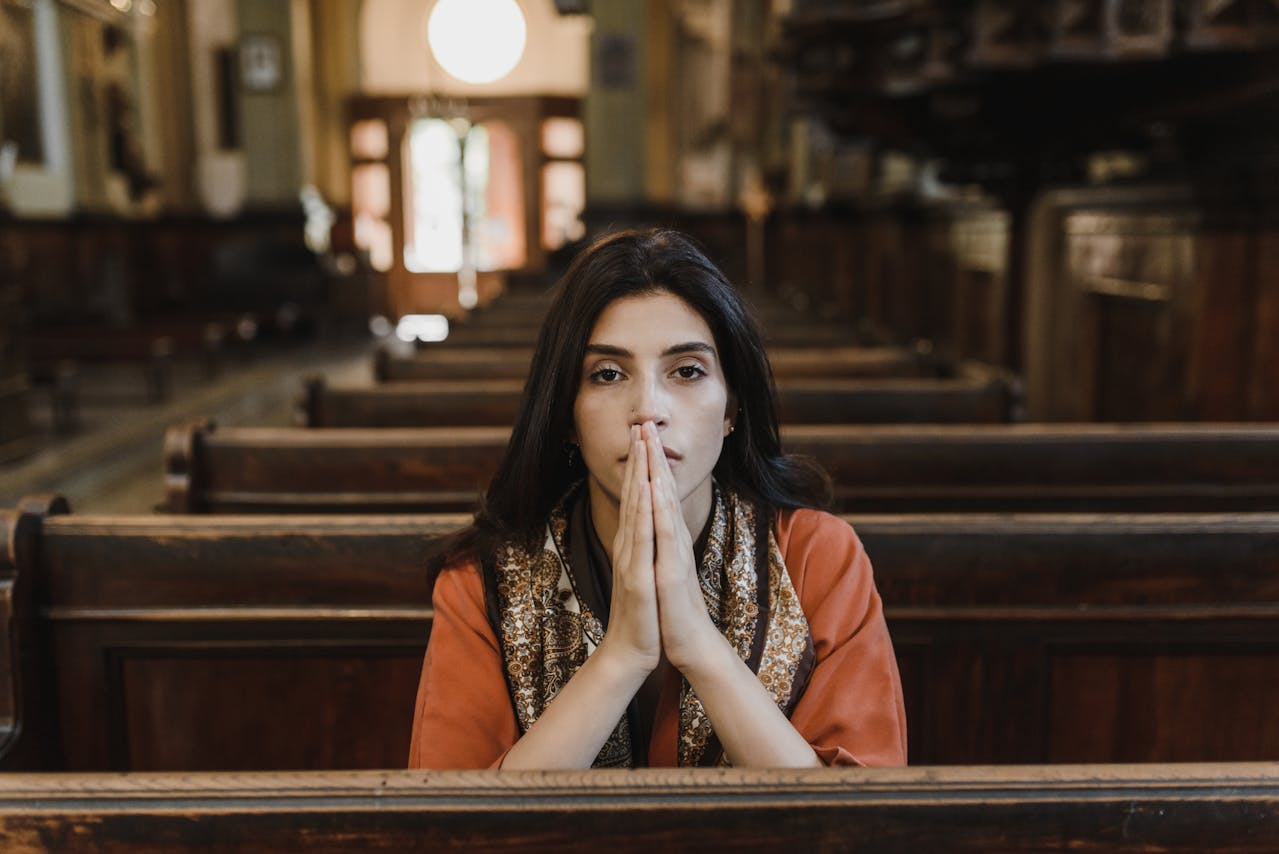
Challenging Patriarchal Norms: Education as a Tool for Gender Equality in Serbia
In Serbia today, a significant gap persists between the promise of gender equality enshrined in law and the realities of women's lives. While the Constitution guarantees equal rights, and gender quotas mandate at least 40% representation in government bodies, the situation on the ground tells a different story. Women often achieve higher levels of education than men but earn less on average and remain underrepresented in leadership roles. This systemic imbalance highlights the urgent need for action. While non-governmental organizations and research institutes, like the Institute for Philosophy and Social Theory, have long advocated for change, one avenue stands out as particularly transformative: education. But not just any education—comprehensive, inclusive adult education designed to empower women as equal citizens. Education That Deconstructs Patriarchy Why focus on adult education? Traditional schooling often reinforces patriarchal norms under the guise of preserving national identity, particularly in Serbia. Orthodox Christianity, a cornerstone of this identity, has frequently been wielded to uphold "traditional values" that stifle women's progress. This dynamic came to the fore in 2021, when Serbia adopted the Law on Gender Equality. The law aimed to tackle structural inequality but quickly met resistance, particularly from the Serbian Orthodox Church, which actively campaigned against it. Today, the law remains suspended, pending a review by the Constitutional Court. For education to truly liberate, it must address these cultural and ideological barriers head-on. This means engaging with the narratives that have historically oppressed women and offering alternative interpretations. For instance, Christian theology need not be an ally of patriarchy. Feminist interpretations of Christianity emphasize personal freedom and equality, values that align with the goals of women’s emancipation. A Critical Pedagogy for the Western Balkans The method for such education lies in critical pedagogy—a theory of learning rooted in dialogue, empowerment, and social justice. Inspired by Paulo Freire’s work with marginalized populations, critical pedagogy emphasizes not just literacy in reading and writing but also in human rights, democracy, and dignity. In the Western Balkans, where patriarchal and heteronormative "family values" dominate, such an approach could be revolutionary. By teaching adults to critically analyze the cultural and religious narratives shaping their lives, we can dismantle the ideologies that perpetuate inequality. This isn't about rejecting tradition outright but about questioning who benefits from certain interpretations of tradition and whose voices have been excluded. The Role of Christianity in Feminist Pedagogy Christianity's relationship with critical pedagogy is complex. In South America, Freire’s work drew heavily on liberation theology, a movement within Christianity that aligns closely with feminist ideals of love, equality, and freedom. In North America, critical pedagogues like Henry Giroux and Peter McLaren have used similar frameworks to confront evangelical fundamentalism and promote inclusive, democratic education. In the Balkans, however, Christianity often aligns with patriarchal family values, resisting discussions on gender equality and sexual education. Yet, even in Serbia, there are theological traditions that advocate for liberation and equality. Incorporating these perspectives into adult education programs could offer a powerful counter-narrative to the dominant patriarchal discourse. Why Education Matters Education is a slow but powerful force for change. By equipping women with the tools to analyze and challenge oppressive structures, we create a ripple effect that can transform entire communities. Adult education, in particular, allows women who may have missed earlier opportunities to engage with empowering ideas and build new futures for themselves and their families. The Western Balkans is at a crossroads. As traditional values clash with modern aspirations for equality, the region must decide whether to cling to outdated ideologies or embrace a future where everyone—regardless of gender—has an equal chance to thrive. Through critical, inclusive education, we can begin to tip the scales toward the latter.