
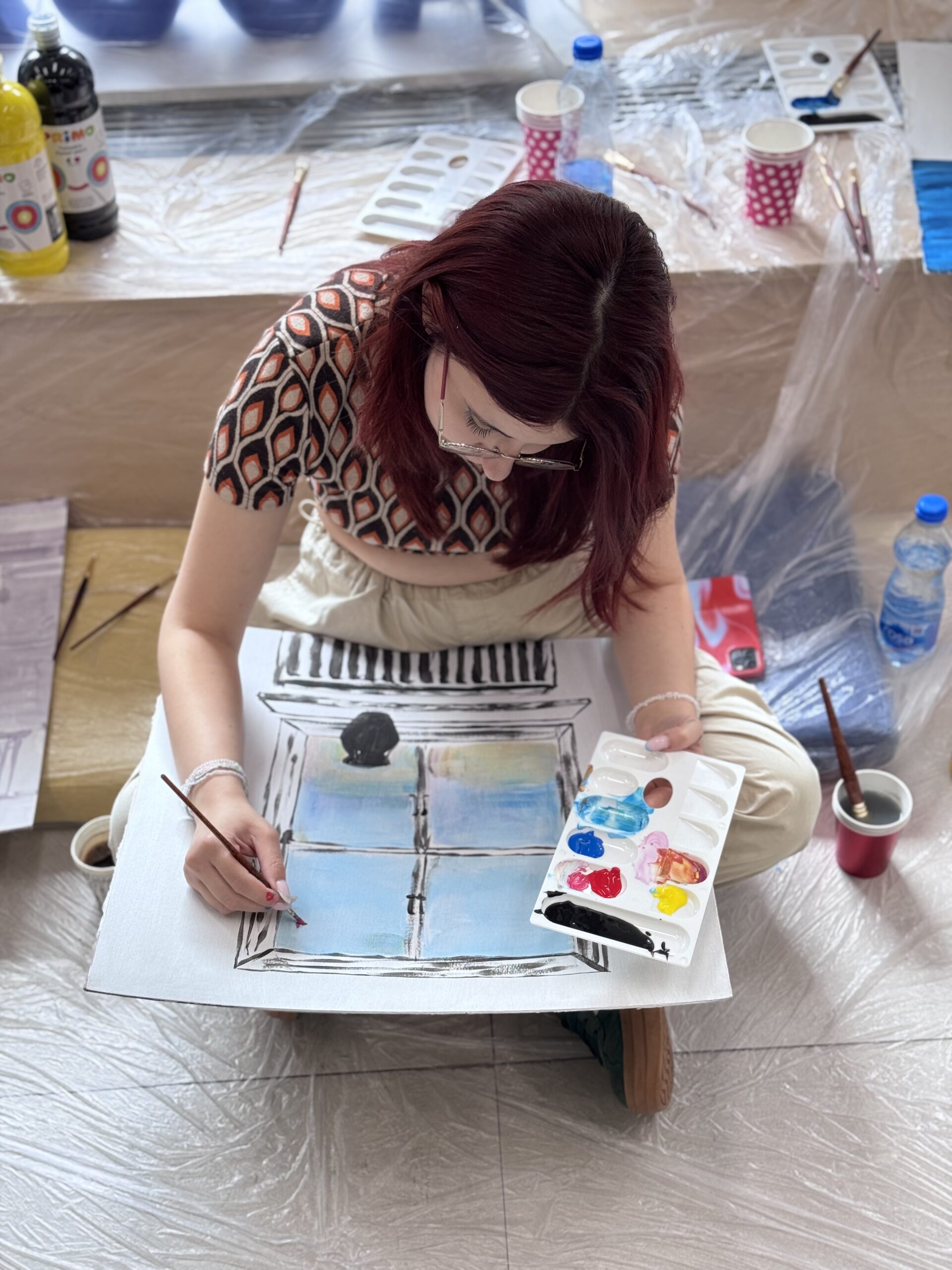
Puzzle
Ovde pročitajte ovaj članak na naškom jeziku. What happens when young artists are given the space to speak? The Puzzle, a collective exhibition organized by the Underground Initiative, offers one possible answer. Open from June 15 to June 26 at the European House in Niš, the exhibition brings together diverse artistic expressions that explore identity, climate justice, memory, and belonging, while reminding us why independent cultural spaces remain essential for young people and their communities. This exhibition was created in 2026 as a collective cry of Niš youth. It is called The Puzzle because each of us contributed a small piece of ourselves, and somehow those pieces came together into a larger story. There was no common theme, no agreed form, and no attempt to create a unified artistic vision. Each artist followed their own voice, choosing their own medium, symbols, and message. Yet when the works were brought together, we realized they were speaking to one another. Through illustrations, graphic design, oil paintings, and photography, visitors will encounter stories that may initially seem unrelated. But a closer look reveals recurring questions and shared concerns. The exhibition reflects a longing for climate justice through depiction of environmental destruction, endangered animals, and the tension between nature and the colourless aesthetics of contemporary life. It explores identity through music, memory, archetypes, the beauty of the human body, and symbols of home, belonging, and southern Serbia. The Puzzle is more than an exhibition. It is a space where young creators search for meaning, connection, and ways of understanding the world around them. It is also a reminder that art remains one of the most powerful languages through which young people express their hopes, fears, and visions for the future. Organized by the Underground Initiative with the support of the Critical Education Centre and the European House in Niš, the exhibition brings together emerging artists from Niš and invites visitors not only to look at the artworks, but to listen to what they are trying to say. At a time when cultural spaces are increasingly inaccessible to those at the beginning of their artistic journeys, initiatives such as Underground seek to open doors rather than close them. We believe that young people need places where they can exhibit their work, exchange ideas, challenge dominant narratives, and develop their voices without having to wait for institutional recognition. Whether through exhibitions, concerts, festivals, independent media, or public discussions, these spaces allow new generations to participate in shaping the cultural and social life of their communities. This is also why Underground exists alongside initiatives such as Balkan Talks. While one creates room for artistic expression and the other for critical dialogue, both are driven by the same conviction: that young people deserve platforms where they can think, question, imagine, and create. Critique does not belong to a single form. It can be found in an article, a photograph, a song, a painting, a performance, or a conversation. Art and critical thought are not separate spheres; they are often different languages through which we respond to the same social realities. We therefore invite you not only to visit this exhibition, but also to support the initiatives that make spaces like this possible. Support young artists. Support independent culture. Support platforms that encourage critical thinking, creativity, and dialogue. And if you want to experience even more of the creativity, energy, and critical spirit of Niš youth, join us at this year's Underground Festival, taking place from October 1–4 at the Niš Cultural Center. Follow Underground and kriti.cko on Instagram, stay connected, and become part of a community that believes culture is not something we simply consume - it is something we create together. We are the young creators of this city. We invite you to listen to our images. Here you can see the whole exhibition.

What Did the Student Protests Bring Us?
Author: Vladimir Stojkovic The student protests that followed the fall of the canopy are certainly not the first protests to take place in the modern history of Serbia. In many aspects, they resemble the protests of previous decades. However, what distinguishes these student protests is the level of general mobilization that is, the awakening of the broader community. This awakening did not occur only in urban centers, but also extended to rural areas, which had long been politically marginalized. Sourced from https://protesti.pics For months, now more than a year, students have been walking proudly along their path of freedom. Many had considered this generation to be completely lost and apolitical, yet the students proved the opposite through their actions. Beyond the powerful and inspiring slogans reminiscent of the protests of the 1990s, these demonstrations have played a crucial role in raising social awareness across various spheres of life. They addressed issues ranging from respect for individual and minority rights to the importance of independent state institutions. Of course, activists, party members, NGOs, and individuals had been pointing out social problems long before these protests, and their persistence deserves recognition. However, students managed to find a formula that reached a much wider audience, including the rural parts of the country that had often been overlooked. As students moved across Serbia, from cities, across fields and meadows, to the smallest villages, they awakened hope and initiated a form of social catharsis. They jolted people out of long-standing apathy and fear. Decades of injustice, particularly intensified over the past thirteen years, had accumulated within society. The arrival of students in remote villages helped dismantle that fear. They restored people’s pride, encouraged them to stand upright once again, and revived a sense of solidarity that had been sorely lacking. Under the influence of the student movement, citizens began participating more actively in public life. Public assemblies and discussions emerged, and people became increasingly interested in social and political issues. The students managed to wake society from a prolonged state of political passivity. The long-term effect of this awakening will be greater civic engagement, especially through participation in democratic processes such as elections, whether as observers, controllers, or candidates. What matters most is the realization that citizens hold power in their own hands. Students have faced attacks from various ideological positions. Some label them clerofascists, while others accuse them of being Eurofanatics. Such criticism ignores the fact that students represent a heterogeneous community, and total homogeneity would be both unrealistic and dangerous. Their diversity has not hindered dialogue; on the contrary, it has fostered tolerance and mutual respect. The authorities in Serbia, along with similarly minded political actors, fear scenes of unity, people of different religions embracing one another, or showing solidarity regardless of sexual orientation. Such moments represent a defeat for politics built on division and hatred. Ultimately, the most significant outcomes of the student protests include the disappearance of fear, increased interest in social affairs, and greater awareness of individual rights. The students also delivered a powerful lesson on corruption, helping citizens better understand its direct impact on their lives. The flame of the student protests has spread throughout Serbia, and it is clear that nothing will be the same again. The spirit of freedom has escaped the bottle, the waves of change have been set in motion, and it is now up to all of us to sustain that energy and work toward improving our society.
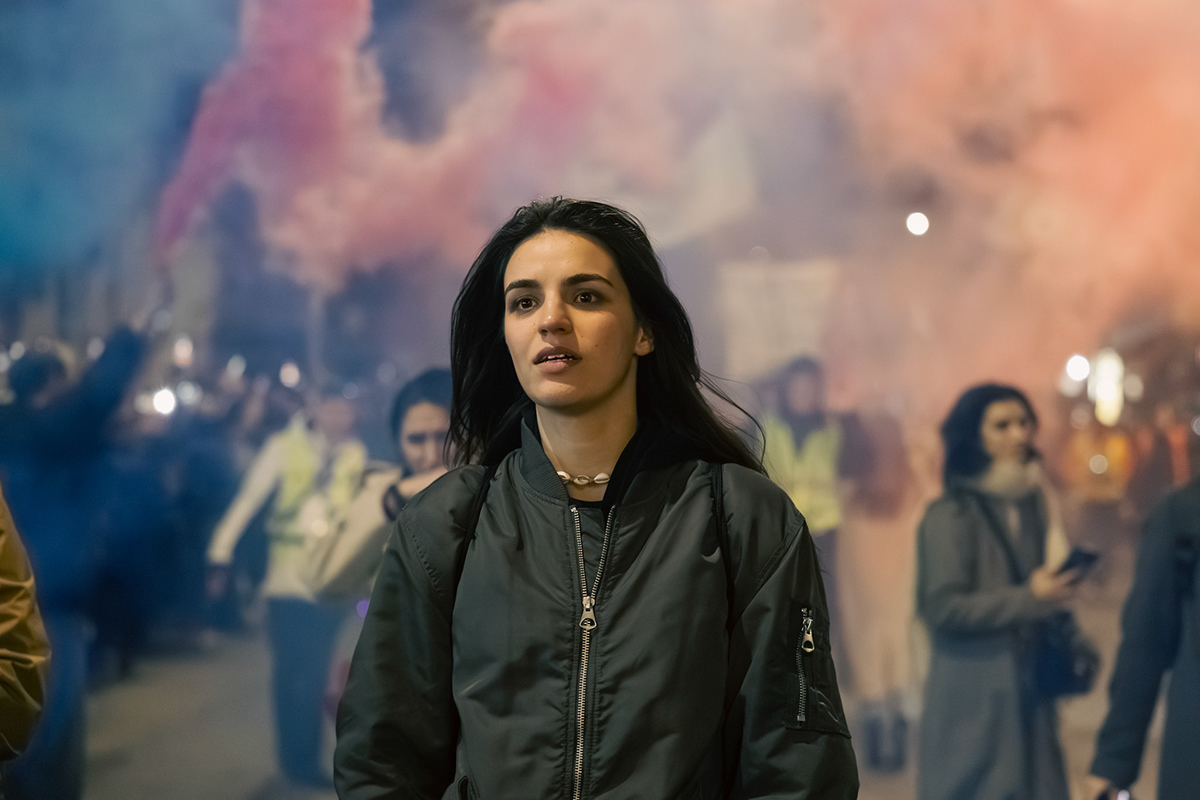
Things to Know About the Ongoing Revolution in Serbia: Our Resources on the University Rebellion
In November 2024, Serbia was rocked by protests triggered by the disastrous fall of the railway canopy in the city of Novi Sad. What is happening in Serbia? Hundreds of thousands of people, most notably entire public university system, are protesting for months, asking for accountability of their government, implementation of the rule of law and basic human decency, as Danilo Mandic summarizes. In the face of global democratic backsliding, this phenomenon stands out, especially as it seemingly comes from an unlikely place. Therefore, our associates did their best to shed light on this unusual phenomenon. As Slobodan Markovic reminds us, Serbia has a rich experience in struggling against authoritarianism. Its students were in the forefront of fighting against the Milosevic regime, and this legacy was examined by Katarina Besirevic and Luka Filipovic. They outline the continuities, but also emphasize novelties brought about by current protests, which are marked with remarkable endurance – public universities were blockaded for months, whereas the citizens are displaying reliable support toward rebellious youth, which redefines the very concept of civic resistance. As students keep marching, they are admired both by the EU institutions and Serbian diaspora, they are putting not only Serbian authorities, but indeed European values to true test. Vladimir Petrovic weighs in by pointing out to the stakes for Serbian higher education and our society as a whole, attempting to situate these protests in the context of global upheavals as well. Cherished from the heights of Harvard and LSE to a most forsaken village in Serbia, these protest are surely a gamechanger. You can find the timeline of events that led to the university uprising here. What can we learn from protest in Serbia? What will they bring, new hope or anarchy? Which impact do they have? How do they actually look? Stay tuned and follow our flying reporter. https://youtube.com/shorts/8jCtWAe7H50 https://youtube.com/shorts/m4MnEv7D-xE https://youtube.com/shorts/-QOdoV3YGOA?feature=share
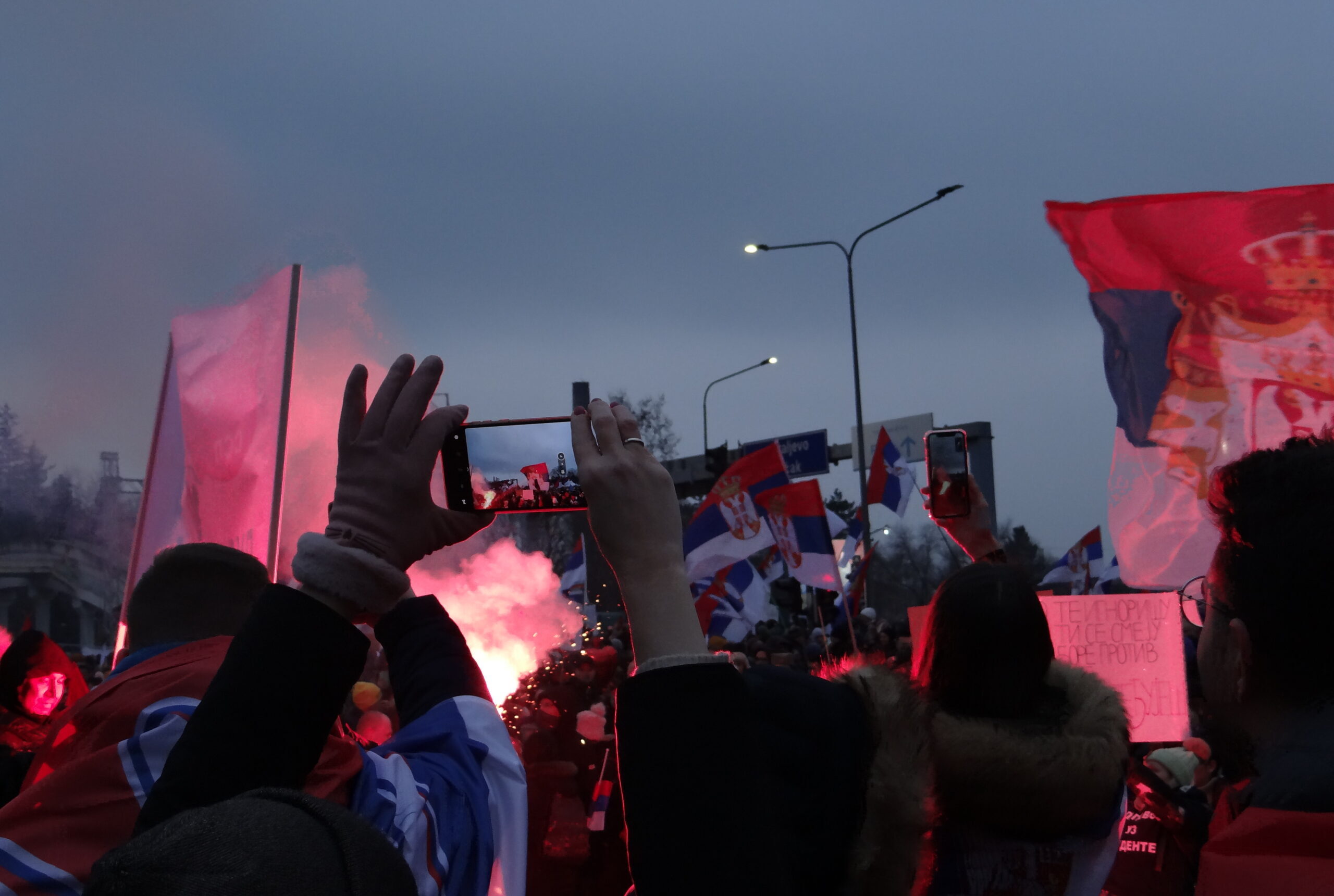
EU and student protests in Serbia – A test of common values
Author: Ivana Milićević, Research Assistant at the Institute for Philosophy and Social Theory, University of Belgrade On March 15, 2025, the largest protest in Serbia’s history was organised in Belgrade, seeking accountability for the collapse of the concrete canopy of the newly renovated railway station in Novi Sad, which killed 15 people. As illegalities and corruption in the reconstruction project started to reveal, this immense tragedy turned into a grim reminder that “the corruption kills”, leading to massive anti-corruption protests led by Serbian students. How did we get here? After the 15-minute silence in commemoration of the victims was broken by a physical assault on students in front of the Faculty of Dramatic Arts in Belgrade by people close to the ruling party, students across Serbia started blocking their faculties, with a seemingly simple demands for the rule of law and institutional response. What they ask for is transparency about the Novi Sad train station’s renovation, a dismissal of charges against activists arrested during the first anti-government protest in November, and criminal prosecution of those who attacked student protesters. Their demands have been supported by universities, teachers, lawyers, agriculture workers, artists and representatives of various industries. Around 80% of Serbian citizens supports most of the demands, while around third took part in the protests, which have been organised in more than 200 localities across Serbia. Having clearly distanced themselves from all political parties and consistently insisting on transparency and institutional accountability, it seems that the students succeeded in reaching an agreement on the fundamentals, which demonstrated a high potential for generating broader support for long-term political changes. As such, it seems that the demands deserve broad international support as well, particularly from the European Union, as they highly align with its fundamental values, insisting on democracy, rule of law and human rights protection. Where has the EU been along the way? So, why has then the EU remained so reluctant in addressing the protests, particularly as it claims to closely follow the current political situation in Serbia? While silence sometimes speaks the loudest, occasional statements from the Brussels spoke even louder in expressing its support to the government and lack of worry for the enlargement’s fundamentals. Gert Jan Koopman, the EU's Director-General for Neighbourhood and Enlargement Negotiations (DG NEAR) visiting Serbia in January 2025, failed to express his concerns regarding the lack of transparency and accountability for the collapse of the railway station canopy or any support to the peaceful protests which had already became historical. On the contrary, he noted Serbia’s “steady progress” towards the EU and was “eager to support Serbia in completing the necessary reforms”. It may come as no surprise if we remember that in October 2024, not long before the tragedy, in her visit to Serbia, President of the European Commission Ursula von der Leyen, praised Serbia’s progress and commitment to delivering on reforms, in particular on the fundamentals - rule of law and democracy. While von der Leyen has not hesitated to express support for “the Georgian people fighting for democracy", she has remained remarkably quiet about the events in Serbia. Indeed, the EU’s spokesperson Guillaume Mercier did express concerns about the reported attacks against protestors and called all key actors to engage in a constructive political dialogue. However, the EU failed to follow-up on the findings of its own progress reports which have for years urged Serbian authorities to step up their efforts to fight corruption, ensure the independence of the judiciary, and guarantee freedom of expression, even after it was confirmed that the European Public Prosecutor’s Office investigates the misuse of EU funds in the case of the railway station. The EU high representatives were addressed by Members of the European Parliament, Serbia’s professors and esteemed public figures from different spheres, scholars and expert groups, and EU research grantees, who all in their open letters asked for Union’s more active role and principled response to these events. The reaction of the European Commission was particularly expected looking ahead to the last protest in Belgrade, as the tensions ran high with contra-protesters supported by hooligans and war veterans gathered in front of the National Assembly and president Vučić using inflammatory rhetoric. The pro-EU citizens and organisations kept addressing it, to provoke its reaction to major protests in one of its candidate countries with a major democratic decline, but were mostly left without a proper response. What does the European Union stand for (?) The Commissioner for Enlargement Marta Kos responded to the received letters of concern by an open letter as well, with an aim to “recall what the European Union stands for”. Successfully avoiding to mention students and their demands, Kos did tackle a very important issue stating that “Serbia's path towards the European Union offers solutions to many of the issues that are at the heart of discussion today“. She stated that the process, if properly implemented, strengthens the fight against corruption, ensures the independence of the judiciary and accountability of institutions. But what happens if the process is not being implemented properly, but hindered by the lack of credibility, contested political interests and disregarding of the principle “fundamentals first”? In that case, “the path” may lead to legitimising the regimes with growing authoritarian tendencies, at the cost of promised stability or commercial interests. In order for the accession process to restore its “transformative power” it would first need to restore the credibility of both conditionality policy and the perspective of membership. Currently lacking both, the EU risks to lose its relevance in the light of the changing political reality in Serbia. Its strong support to the lithium extraction project in the Jadar valley remained steady despite serious concerns on the lack of environmental standards and rule of law and continuous attacks on environmental and human rights defenders, some of whom were even targeted as “eco-terrorists”. The EU praised the Memorandum of Understanding signed with Serbia on Strategic Partnership on sustainable raw materials, battery value chains and electric vehicles as a way to enhance integration process and “reaffirm Serbia’s EU path”. The former Minister of Traffic and Infrastructure Goran Vesić assessed that Serbia “essentially became an EU member” by the signing of the Memorandum. This has shown that there is a mutual understanding on both sides that the progress in the accession process is being evaluated somewhere far away from the prescribed conditions, progress reports and especially principles which prioritise fundamental reforms – democracy and the rule of law. This also shows that neither of the sides takes the integration process seriously, as they both agree to “take the most out of it” in the circumstances in which the enlargement “gained a new momentum" only nominally, and the old promises (of stability) seem to be enough. Experts and civil society have already expressed concerns about how this trend will affect the perception of the EU and citizens’ attitudes towards the enlargement. The support for the EU integration has lowered among youth in Serbia in the last five years, particularly among the youngest of the respondents, while, according to the Balkan Barometer, most of the Serbian citizens (35% of them) think that their country will never become a member of the EU. The same research shows a trend that youth of the region is becoming more uncertain or neutral about the EU accession. It is certain that this will also be the case with the youth in Serbia. The values that students stand for, although correspond to them, are not European values, but their own and they will firmly protect them regardless of the EU’s support, as they have for months now. This time, it is the EU that is on the test, to “step up and fulfil its self-proclaimed task of a democracy and rule of law promoter”. The “words of concern” and bureaucratic euphemisms may not be enough to restore not only the credibility of the accession process, but also its relevance among youth, who proved to be the guardians of its “core values”, without ever referring to it. In accordance with its own principles and enlargement methodology, the EU needs to systematically and clearly address the roots of the student’s demands, as their fulfilment may bring the reforms crucial for the integration process. But it cannot go the other way around. The EU should initiate a direct dialogue with Serbian citizens, including students, experts, workers, and civil society organisations, and provide unequivocal support to the fight for democracy and the rule of law, if it still has the ambition to act as a driver of reforms rather than a factor of status quo. After all, it seems that the EU is the one who should be reminded what it stands for.
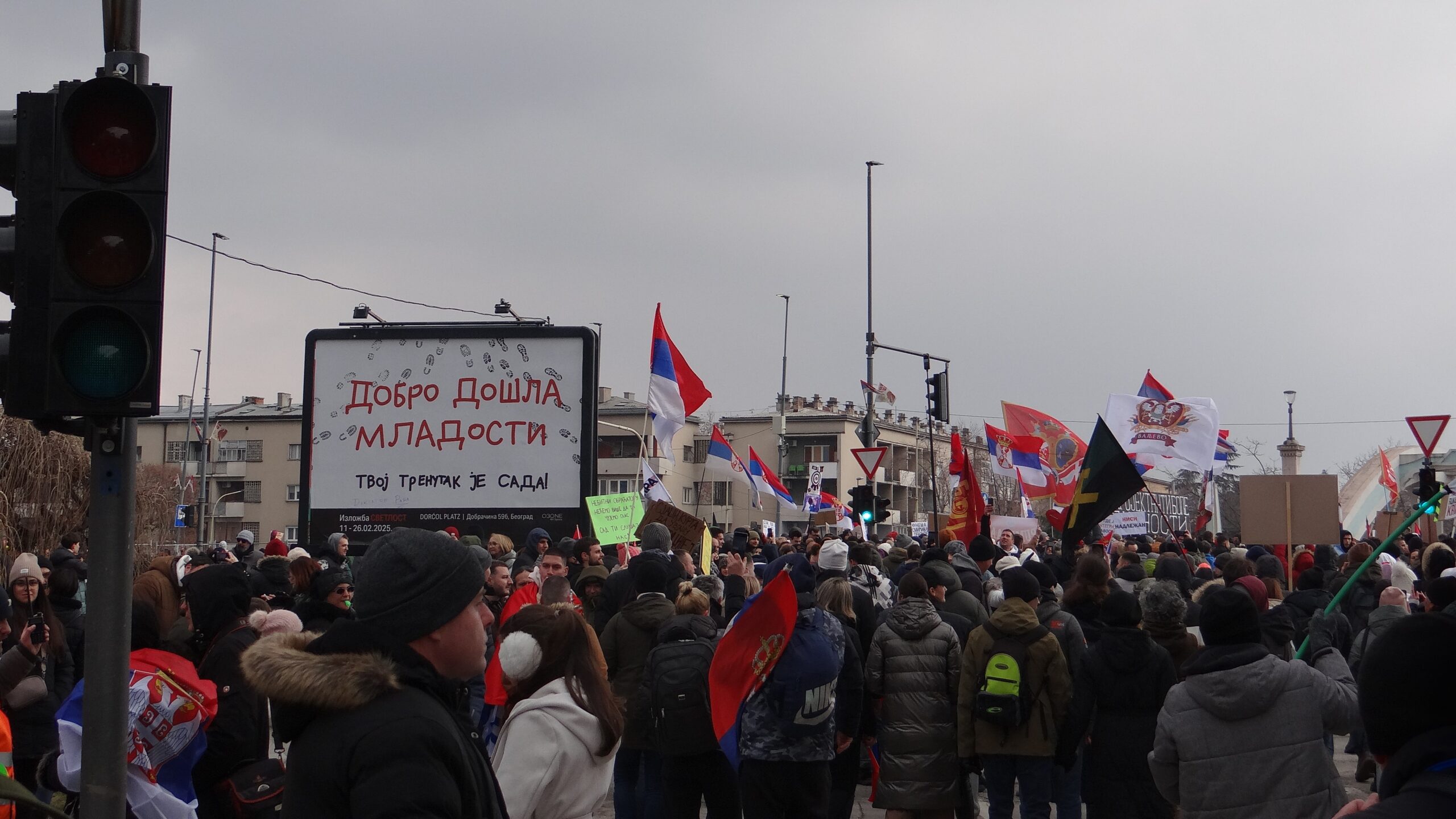
What is happening in Serbia?
On November 1st at exactly 11.52 a concrete canopy on Novi Sad railway station collapsed instantly murdering 14 persons, while 3 were seriously injured. The number of victims rose to 15 when a young woman died in the hospital due to her injuries. Two injured victims still remain under severe hospital supervision, almost three months after the collapse. This sunny, peaceful day was one of the darkest in recent Serbian history, especially for Novi Sad. This multicultural town is known for its peace and quiet, its people being extremely polite and kind. However, in the past three months, even this has changed. Although government officials assured the public that all necessary measures will be taken and the responsible persons will be punished, the angry and hurt citizens did not believe the government whose corruption and lack of transparency have been an issue for several years. The citizens started spontaneously gathering on the streets at 11.52 almost every day, paying respect to the dead. At first, for 14 minutes of silence, and then 15, a minute for each life that was lost due to a corrupted reconstruction project of the railway station. At one of these 15-minute gatherings, students of the Faculty of dramatic arts in Belgrade blocked the street in front of their Faculty in order to pay respects to the Novi Sad victims. They were physically attacked, by what at first seemed, passers-by. However, soon after the incident, the public identified the attackers - local government officials from Belgrade. The students were determined to seek justice for their hospitalized peers and set together in order to discuss the next steps. Their collective decision was the blockade of the faculty, the institution they see as their own, in order for other institutions to listen to them and start working according to the law, in their own capacities and competencies. Soon after, in acts of solidarity and support, other faculties and universities across the country started their own blockades. From that moment on, each decision, including the decision about the blockade, was voted by the plenum (an assembly of all the members of a group or committee) organised by the students themselves. Now, four months after the tragic event in Novi Sad, more than 80 faculties (including Faculty of Theology in Belgrade and some private faculties) are in a blockade. The wave of violence spread towards the younger students, those who dared to raise voices in their highschools. But so did the wave of blockades and protests and the number of involved citizens increased. High school students started blocking the streets every day at exactly 11.52, university professors, high school teachers and principals stood behind their students and supported their requests. Soon the unions of miners, IT professionals, media and culture workers gave their support to the joint cause - requests for the institutions to prosecute the law breakers and protect the students during the peaceful protest. Besides the direct democracy that the students practice everyday on their plenum meetings, they have shown incredible knowledge and capability to organise, communicate with the public, to stand in solidarity with other peers, but most importantly, they showed that knowledge and determination they have is beyond any textbook lesson. They have gone through the cracked and weakened educational system, acquiring the core knowledge for critical thinking, direct democratic participation and hands-on solidarity. They sacrificed their lectures, exams and grades in order to demonstrate that a common goal is above the personal results and successes. In a country without media freedom, they managed to communicate their message so clearly and efficiently, that it reached even the most distant of towns and villages in Serbia. How did they succeed? On foot. This is not a metaphor—literally, on foot. It all started with a large gathering on February 1st in Novi Sad, marking 3 months from the tragedy. In order to pay their respects to the victims, students blocked 3 bridges together with the citizens. But what was even more moving and influential, was a two-day long march from Belgrade to Novi Sad when students walked through towns and villages carrying their message that justice must be met. Local people gathered, cooked meals for students and supplied them with anything they needed - from food and water to bandages and medical supplies. With tears in their eyes people of all ages greeted students like they were liberators. The next large gathering was on February 15th in Kragujevac, as this is where the first Serbian constitution was signed on this day in 1835, a date Serbia still celebrates as its Statehood Day. Students set off on foot from different towns toward Kragujevac in groups, passing through smaller places to inform people about what was happening and break through the media blackout. Some groups walked as much as 150 kilometers in just three days. In Kragujevac, they announced another gathering in Niš 15 days later, where an even larger number of people attended, and once again, students and young people marched on foot. The latest research shows that around 80% of the population now supports the students' demands. From the very beginning of the blockades to these massive protests, marches, and demonstrations, the movement has consistently upheld the same four demands. The first demand is for full disclosure of all documentation related to the reconstruction of the railway station canopy in Novi Sad. The second is for all those who committed violence against students during the blockades to be arrested and prosecuted. The third is for the release of all activists who were detained for supporting the blockades. And the fourth demand is for a 20% increase in the state budget allocation for higher education. The next major gathering is scheduled for March 15th in Belgrade. According to student groups, this will be the final gathering, marking the end of all protests. On the other hand, these same student groups continue to unequivocally and persistently inform the public that they will not give up on the blockades until all four demands are met. In other words, students are confident that on March 15th in Belgrade, they will secure the fulfillment of their demands. How? Follow our portal on March 15th to find out. PUMP IT UP!