
Zašto je vršnjačko nasilje ključni društveni problem u Crnoj Gori
Autorka: mr Mirjana Popović, sociološkinja Vršnjačko nasilje predstavlja jedan od najozbiljnijih izazova sa kojima se suočava savremeno crnogorsko društvo. Iako se nasilje među djecom i adolescentima dešava u svim zemljama, posebne društvene, kulturne i institucionalne okolnosti u Crnoj Gori čine ovaj problem naročito izraženim i zabrinjavajućim. Posljedice vršnjačkog nasilja nijesu ograničene samo na žrtve, već dugoročno utiču na čitavo društvo kroz reprodukciju agresivnih obrazaca ponašanja, porast mentalnih problema i urušavanje osnovnih vrijednosti kao što su empatija, solidarnost i poštovanje. Prvo i najvidljivije jeste to što broj slučajeva vršnjačkog nasilja u Crnoj Gori raste, a oblici nasilja postaju sve brutalniji. Djeca su danas izložena ne samo fizičkom i verbalnom nasilju, već i psihološkom zlostavljanju, izolaciji, ponižavanju, a sve češće i digitalnom nasilju putem društvenih mreža i poruka. Za razliku od prethodnih generacija, današnje nasilje se ne završava izlaskom iz školskog dvorišta – ono se nastavlja u online prostoru, često u još surovijem obliku. Nažalost, institucionalni odgovor na ove pojave do sada nije bio dovoljno efikasan. Iako postoje zakoni, protokoli i stručne službe, njihova primjena u praksi je ograničena. Škole, koje bi trebale biti bezbjedna okruženja za razvoj djece, često izbjegavaju prijavljivanje nasilja da ne bi narušile sopstvenu reputaciju. Roditelji, s druge strane, ponekad negiraju ili umanjuju ozbiljnost problema, prebacujući odgovornost jedni na druge ili na sistem. Ovakva atmosfera nesigurnosti i ćutanja dodatno pogoršava situaciju i šalje poruku djeci da su prepuštena sama sebi. Djeca se tako, na žalost i osjećaju. Društveni kultirni kontekst u Crnoj Gori dodatno komplikuje borbu protiv nasilja. Dugogodišnje nasljeđe patrijarhalnih vrijednosti, prisustvo agresije u javnom govoru i medijima, kao i niska tolerancija na različitost, doprinose tome da se nasilno ponašanje često toleriše, pa čak i opravdava. Djeca uče iz onoga što vide u porodici, zajednici i medijima, djeca uče po modelu i ako vide da se sukobi rješavaju silom, nasiljem vrlo lako usvajaju taj model ponašanja. Posebno zabrinjavajuće su posljedice po mentalno zdravlje mladih. Žrtve nasilja često pate od anksioznosti, depresije, nesanice, pada samopouzdanja, pa čak i suicidalnih misli. Na emocionalnom nivou, žrtve često osjećaju strah, sramotu, stid, bespomoćnost i usamljenost. Samopouzdanje im se urušava, manje vjeruju u sebe i druge osobe. U školskom kontekstu, žrtve počinju da izbjegavaju nastavu, školski uspjeh im slabi, a neki potpuno izlaze iz školskog sistema, što samo po sebi otvara niz društvenih i ličnih izazova. Sve ovo ukazuje na ozbiljnost posljedica koje vršnjačko nasilje može izazvati ako se ne reaguje adekvatno i na vrijeme. Ali, ni nasilnici ne izlaze neozlijeđeni iz ovog odnosa oni često nose emocionalne traume, osjećaj krivice ili kasnije ulaze u konflikte sa zakonom. Sve to utiče na stvaranje generacija koje su emocionalno nestabilne i društveno disfunkcionalne. Čini mi se da mi kao društvo, naročito naležne institucije nemaju u vidu ovako definisanu širu sliku društvenih odnosa, pa na žalost donose kratkoročna, nedovoljno funkcionalna, populistička rješenja koja ne zahvataju suštinu ove problematike. U školama i opšte u društvenoj zajednici još uvijek nedostaje sistemska i kontinuirana prevencija. Nedostaje međusektorska saradnja, a i onda kada se proces rješavanja započne ukupna intervencija ostane na nivou pukog formalizma. Programi koji podstiču razvoj emocionalne inteligencije, empatije, nenasilne komunikacije i rješavanja sukoba su rijetki ili neobavezni. Time se propušta šansa da se problemi spriječe u korijenu, prije nego što izmaknu kontroli. Nacionalni okvir borbe protiv vršnjačkog nasilja bi trebao da bude baziran na jasnoj strategiji ukupnog društva. Međutim, nije dovoljno samo kreirati i usvojiti nacionalne strategije različitog tipa, prateće akcione planove, ključ uspjeha leži u efektivnoj implementaciji. Da bi se ostvarili ciljevi borbe protiv vršnjačkog nasilja neophodno je da redovno prikupljamo i analizamo podataka o ovoj pojavi. Na žalost mi kao društvo ukupno posmatramo nemamo uvid u činjenicu koliko su baze, registri, statistički podaci, statističke, sociološke, antropološke analize značajne u borbi protiv ove društvene devijacije, ali i u borbi i sagledavanju dinamike, oblika, učestalosti javljanja svake druge društvene pojave. Nadležne institucije naročito obrazovni sistem, socijalna i dječja zaštita, kao i sistem zdravstva trebaju kontinuirano i planski raditi na obrazovanju kadra. Naravno vrlo je važno da gradimo institucije koje su odgovorne i transparentne koje služe javnom interesu, građaninu, njegovim potrebama i interesima. Pored toga što škola odnosno obrazovni sistem mora postaviti jasna pravila i procedure smatram da je ključ u preventivnom djelovanju, uključivanju roditelja kako bi se stvorio jedinstven pristup i podrška i u školskom i u porodičnom okruženju., kao i u uspostavljanju odnosa poverenja između učenika i nastavnika. Djeca će lakše prijaviti nasilje ako znaju da će biti shvaćena, zaštićena i da ih njihova prijava neće dovesti do dodatnog ugrožavanja. Zbog toga je važno da nastavnici, stručni saradnici i drugi zaposleni budu obučeni da prepoznaju znakove nasilja i da adekvatno reaguju. Borba protiv vršnjačkog nasilja je proces koji zahtjeva posvećenost, znanje i zajednički rad svih aktera u obrazovanju. Škola treba biti mjesto gde se učenici osećaju sigurno, prihvaćeno i poštovano. Prevencija, edukacija, podrška i odlučna reakcija na nasilje stvaraju temelje za zdravu i empatičnu zajednicu. Kroz proaktivan pristup i njegovanje pozitivne školske klime, škola ne samo da suzbija nasilje, već i obrazuje odgovorne i saosjećajne građane budućnosti. U poslednjim godinama Crna Gora je uvela niz strateških mjera i programa u borbi protiv vršnjačkog nasilja. Angažovani su asistenti za bezbjednost u školama, sprovedeni međunarodni projekti sa Savjetom Evrope, razvijeni protokoli, organizovane radionice i obuke za nastavnike. Ipak, uprkos svim tim naporima, broj prijavljenih slučajeva nasilja raste. Što je i pozitivan pomak u smislu da zahvaljujući većoj informisanosti, edukaciji i podršci, sve više učenika i nastavnika odlučuje da nasilje prijavi. Međutim, trebamo biti svjesni da žrtve ćute, neke škole izbegavaju da priznaju problem, a roditelji često nijesu ni svjesni šta se dešava sa njihovom djecom. Iako promjene postoje, sistem se mijenja sporo. Potrebna su dugoročna ulaganja, kontinuirana evaluacija programa i lokalna prilagođenost. Škole nijesu iste u svakom gradu, niti sva djeca imaju iste potrebe. Ono što funkcioniše u jednoj sredini, može biti neefikasno u drugoj. Uspostavljanje standarda je početak, ali bez svakodnevne primjene, obuke i izgrađenog povjerenja između škole, učenika i roditelja, promjene ostaju ograničene. Vršnjačko nasilje u Crnoj Gori nije izolovani problem pojedinca, škole ili jedne porodice. Na osnovu trenutne situacije kada je u pitanju učestalost, intezitet, oblici vršnjačkog naslja kroz ovaj fenomen se u stvari ogleda ukupan društveni sistem. U skladu sa tim, borba protiv ovog problema zahtijeva zajednički napor svih: škole, roditelja, institucija, medija i samih učenika. Samo društvo koje prepoznaje važnost mentalnog zdravlja, tolerancije i nenasilja može ići ka razvoju, napretku i održivosti.
Why Peer Violence Is a Key Social Issue in Montenegro
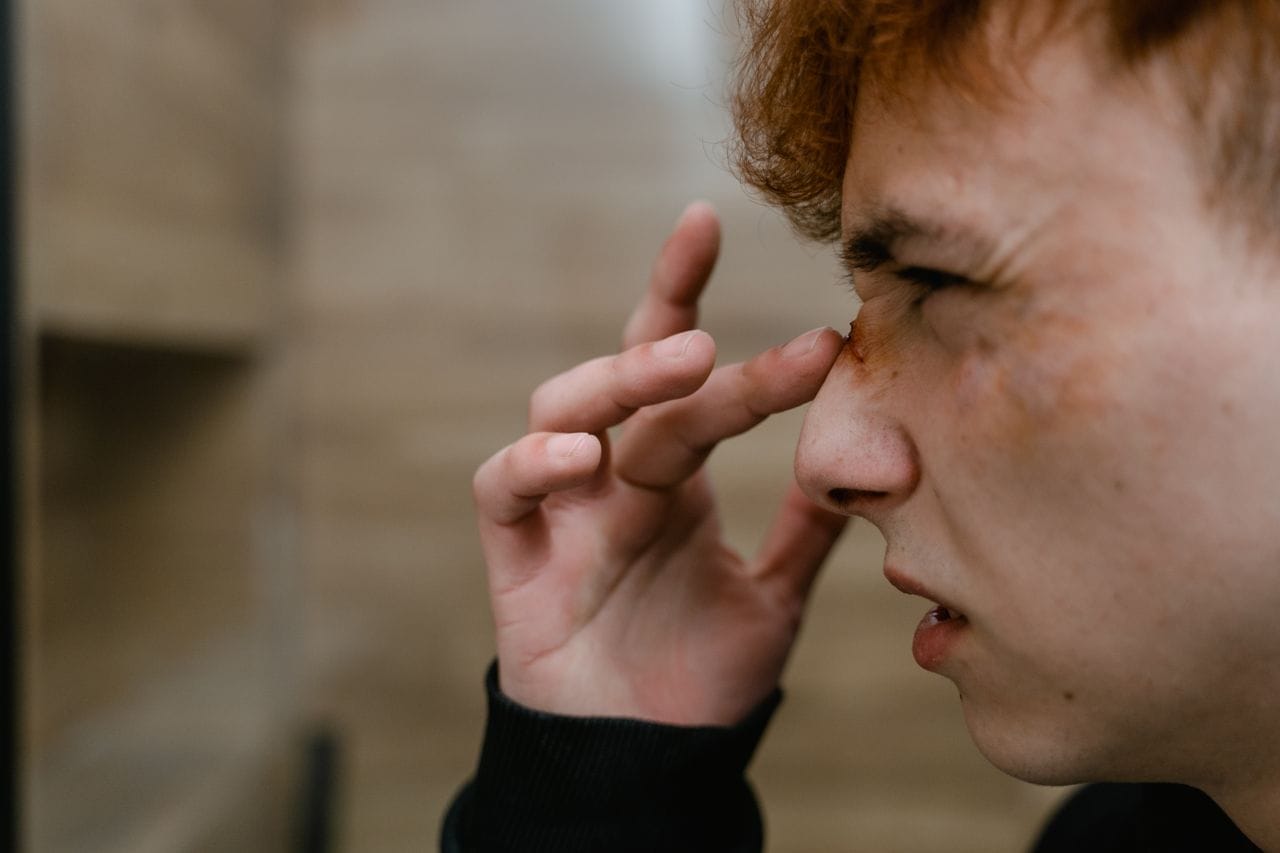
Author: Mirjana Popović, Sociologist Ovaj članak možete pročitati na crnogorskom ovde. Peer violence is one of the most serious challenges facing contemporary Montenegrin society. While violence among children and adolescents exists in every country, specific social, cultural, and institutional circumstances in Montenegro make this issue particularly pronounced and concerning. The consequences of peer violence extend far beyond the immediate victims, affecting society as a whole through the reproduction of aggressive behavioral patterns, the deterioration of mental health, and the erosion of fundamental values such as empathy, solidarity, and respect. Illustration photo. Retrieved from Pexels (www.pexels.com) The most visible indicator of the problem is the growing number of cases of peer violence and the increasingly severe forms it takes. Today’s children are exposed not only to physical and verbal abuse but also to psychological harassment, social exclusion, humiliation, and, increasingly, cyberbullying through social media and digital communication. Unlike previous generations, violence no longer ends when children leave the schoolyard—it often continues online, sometimes in even more harmful and relentless forms. Unfortunately, institutional responses have not been sufficiently effective. Although laws, protocols, and professional support services exist, their implementation remains limited. Schools, which should provide safe environments for children’s development, often avoid reporting incidents of violence in order to protect their reputation. Parents, meanwhile, sometimes deny or minimize the seriousness of the problem, shifting responsibility onto one another or onto the system itself. This atmosphere of uncertainty and silence further aggravates the situation and sends a message to children that they are largely left to cope on their own. Sadly, many children feel exactly that way. The broader social and cultural context in Montenegro further complicates efforts to combat violence. The long-standing legacy of patriarchal values, the prevalence of aggressive rhetoric in public discourse and the media, and a low tolerance for difference all contribute to an environment in which violent behavior is often tolerated or even justified. Children learn by observing those around them. If they see conflicts being resolved through force and aggression, they are likely to adopt the same behavioral patterns. Particularly alarming are the consequences for young people’s mental health. Victims of bullying frequently experience anxiety, depression, insomnia, diminished self-esteem, and, in some cases, suicidal thoughts. Emotionally, they often struggle with fear, shame, helplessness, and loneliness. Their confidence deteriorates, and they lose trust in both themselves and others. In the educational context, victims may begin avoiding school, experience declining academic performance, or even leave the education system altogether, creating additional personal and social challenges. All of this underscores the seriousness of the consequences that peer violence can have when it is not addressed adequately and in a timely manner. However, perpetrators are not unaffected by these dynamics either. Many carry emotional trauma, feelings of guilt, or later become involved in conflicts with the law. This contributes to the emergence of generations that are emotionally unstable and socially dysfunctional. It often seems that, as a society—and particularly within the institutions responsible for addressing these issues—we fail to recognize this broader picture of social relations. As a result, responses are frequently short-term, ineffective, and populist, failing to address the root causes of the problem. Both schools and the wider community continue to lack systematic and continuous prevention efforts. Intersectoral cooperation remains insufficient, and even when intervention processes are initiated, they often remain largely formalistic. Programs aimed at developing emotional intelligence, empathy, nonviolent communication, and conflict-resolution skills are either rare or optional. Consequently, opportunities to prevent problems before they escalate are frequently missed. A national framework for combating peer violence should be grounded in a clear and comprehensive societal strategy. However, creating and adopting national strategies and accompanying action plans is not enough; success depends on effective implementation. Achieving meaningful progress requires the regular collection and analysis of data on peer violence. Unfortunately, as a society, we still underestimate the importance of databases, registries, statistical records, and sociological and anthropological analyses in addressing this social problem and understanding its dynamics, forms, and prevalence. Relevant institutions—particularly those within education, social and child protection, and healthcare—must continuously invest in professional training and capacity-building. Equally important is the development of accountable and transparent institutions that genuinely serve the public interest and respond to citizens’ needs. While schools and the education system must establish clear rules and procedures, prevention remains the key. Parents must be actively involved in order to create a unified approach and consistent support in both school and family environments. Equally important is fostering relationships of trust between students and teachers. Children are far more likely to report violence when they know they will be heard, protected, and not exposed to further risk as a result of speaking out. This is why teachers, school counselors, and other staff members must be trained to recognize the signs of violence and respond appropriately. Combating peer violence is a long-term process that requires commitment, expertise, and cooperation among all stakeholders in education. Schools should be places where students feel safe, accepted, and respected. Prevention, education, support, and decisive responses to violence form the foundation of a healthy and empathetic community. Through a proactive approach and the cultivation of a positive school climate, schools can not only reduce violence but also help raise responsible and compassionate citizens. In recent years, Montenegro has introduced a number of strategic measures and programs aimed at addressing peer violence. School safety assistants have been engaged, international projects have been implemented in cooperation with the Council of Europe, protocols have been developed, and workshops and training sessions for teachers have been organized. Nevertheless, despite these efforts, the number of reported cases continues to rise. This is also, in part, a positive development, as greater awareness, education, and support have encouraged more students and teachers to report incidents. At the same time, we must remain aware that many victims still remain silent, some schools continue to avoid acknowledging the problem, and many parents are unaware of what their children are experiencing. Although progress has been made, systemic change remains slow. Long-term investments, continuous evaluation of programs, and locally tailored approaches are essential. Schools differ from one community to another, and children do not all have the same needs. What works in one environment may prove ineffective in another. Establishing standards is only the first step; without consistent implementation, ongoing training, and trust between schools, students, and parents, meaningful change will remain limited. Peer violence in Montenegro is not an isolated problem affecting only individual students, schools, or families. Given its frequency, intensity, and evolving forms, this phenomenon reflects the broader state of society itself. Addressing it therefore requires a collective effort involving schools, parents, institutions, the media, and students. Only a society that recognizes the importance of mental health, tolerance, and nonviolence can move toward sustainable development, progress, and social well-being.

Flattery or Erasure: Recognizing Unhealthy Admiration
Author: Stamena Kozić, a high school student from Serbia In many areas of life, we unconsciously mirror the people we admire- a phenomenon psychologists often refer to as the Chameleon Effect. Over time, this imitation can be harmless, even flattering, and often helps us connect, or feel understood. But in relationships, the rules are quite different. When it happens too quickly, before you truly know each other, admiration can cross a line. What starts as flattery can almost imperceptibly turn into something else entirely, an erasure. Illustration photo. Retrieved from Pexels (www.pexels.com) Take, for example, someone you've just started dating- a new person entering your life. Weeks in, they begin changing themselves to mirror you, adopting your style, your tastes, even life decisions of great importance they once resisted or opposed. They may switch their hair color, modify their wardrobe, or suddenly embrace hobbies and opinions they previously dismissed. At first, it might seem flattering, like they're captivated by you, eager to connect, to be close. But when admiration moves faster than the relationship itself, the unease sets in. There's something disorienting about watching someone erase their own preferences and bend their identity around yours- especially when the choices they make now reflect you, and not the person you thought you were falling for. Admiration starts morphing into a warning sign, signaling that something deeper, more concerning, is unfolding. Many philosophers throughout history have emphasized the importance of individuality. Socrates once encouraged people to think for themselves rather than simply follow the crowd. In the context of relationships this advice becomes more relevant. To maintain connection without losing oneself, we must define our desires and resist the pull to mirror someone else blindly. And yet, the phenomenon persists. French anthropologist Rene Girard, famous for his work on desire and imitation, developed what he called the theory of mimetic desire: the idea that we often want people not for who they truly are, but because someone else desires them. Desire is contagious, and admiration can be less about the person and more about the reflection they inspire in us. In relationships, this can appear as someone bending themselves- intensely and unexpectedly- to match your preferences and life choices before the connection has had a chance to form naturally. So, why does this happen? Quite often, it stems from insecurity, fear of rejection, or even borderline tendencies, where validation from others feels essential to one's sense of self. Jealousy and a desire to keep up with perceived standards or to secure affection can accelerate this imitation, making admiration feel too urgent and overwhelming. In these cases, the person isn't connecting with you, instead they're seeking approval, safety, or identity in your reflection, erasing the boundaries between desire and obsession. The healthiest relationships don't demand transformation. They invite it, slowly, over time, with respect for boundaries and selfhood. True connection encourages curiosity, growth and exploration on both sides, rather than bending to fit someone's reflection. To navigate intimacy without losing yourself pay attention to subtle signs: Are boundaries respected, or quietly dissolved? Are choices made freely, or to please? Admiration feels uplifting, inspiring one to become their true self without fear or pressure. When desire becomes imitation, it's easy to mistake intensity for connection, but connection that truly matters doesn't erase identity. In the end, the most lasting connection, isn't the one that mirrors us perfectly, but the one that is built on contrast, the one that can fill the gaps without erasing individuality.

Functioning Is Not the Same as Being Well
Author: Stamena Kozić, a high school student from Serbia In the Balkans, mental health is often recognized only when it reaches an extreme. As long as a person continues to function-attending school, going to work, fulfilling responsibilities-this is treated as proof of stability. Functioning becomes evidence that everything is "fine", even when it's not. As a result, struggles such as anxiety, depression and burnout are rarely seen as legitimate unless they interfere with productivity. The ability to keep going is praised, while the cost of doing so remains invisible. Illustration photo. Retrieved from Pexels (www.pexels.com) However, data tells a different story. Research conducted in Serbia alone shows that approximately one-third of the population can be considered psychologically vulnerable. Around 15.6% of people report symptoms of depression, 7.2% experience symptoms of anxiety, and 1.6% are at high risk of suicide. These numbers exist alongside everyday functioning, challenging the idea that productivity equals well-being. Mental health in Balkan schools In the Balkans, seeing a psychologist is still not normalized within the school system and is often perceived as a last resort rather than a form of prevention or care. Students are typically referred to school psychologists only after being labeled as “problematic,” when their difficulties become visible through academic failure, behavioral issues, or a noticeable decline in productivity. These markers are treated as the primary indicators of distress, while emotional suffering does not necessarily disrupt performance and remains largely unaddressed. Well-performing students—those who maintain good grades, attend classes regularly, and meet institutional expectations—are rarely checked on or encouraged to seek support. This creates an environment in which psychological help is associated with dysfunction and punishment rather than well-being. As a result, schools unintentionally reinforce the idea that as long as a student continues to function, there is no need for help, even if that functioning comes at the cost of mental and emotional health. This mindset is especially dangerous because many mental health conditions do not immediately disrupt outward functioning. Disorders such as eating disorders often operate within this logic of "not being sick enough." Individuals may continue to perform well academically or socially, leading both themselves and others to believe there is no reason to seek help. This delay in recognition frequently allows the condition to worsen, increasing both psychological and physical risks. In extreme cases, the consequences of untreated mental illness can be fatal—underscoring the cost of a system that equates visible dysfunction with the legitimacy of suffering. Why Mental Health Remains a Taboo in the Balkans? Mental health continues to be a taboo in the Balkans largely because the region's recent history has been defined by survival rather than stability. Wars, political transitions, and prolonged economic insecurity have shaped societies in which endurance is valued more than emotional openness. In such environments, psychological distress was often viewed as luxury concern, something secondary to immediate survival. As a result suffering became normalized as an expected part of life, rather than recognized as a condition that deserves care and attention. Stigma surrounding professional mental health support further reinforces this mindset. Therapy and psychiatric care are frequently associated with severe illness or social failure, rather than prevention or self-understanding. As the aforementioned research shows, many people seek help only when their condition becomes unmanageable, if they seek it at all. This is compounded by structural barriers: mental health services across the region remain underfunded, unevenly distributed, and difficult to access, particularly for young people. Long waiting times, limited school-based support, and high costs in private care discourage early intervention. Over time, emotional restraint has been learned and passed down across generations. Parents and grandparents who endured hardship without psychological support often model silence as resilience. Phrases such as "others have it worse" or "you'll get over it" are commonly used, unintentionally minimizing emotional pain. Together, historical trauma, stigma, and systemic limitations have created a culture in which mental health struggles are only acknowledged when they become impossible to ignore- maintaining the same pattern of recognition through crisis rather than care. How Mental Health Is Approached in Other Countries? In many countries outside the Balkans, mental health is increasingly treated as an integral part of public conversation rather than a private issue. Discussions about anxiety, depression, and burnout are more visible in media, education, and policy, helping reduce sigma around seeking support. Asking for professional help is often framed as an act of responsibility and self-awareness, not weakness. Mental health education is frequently incorporated into school curricula, teaching students to recognize emotional distress early and encouraging them to seek help before problems escalate. Therapy is widely normalized, with school counselors and mental health professionals positioned as preventive resources rather than emergency responses. This emphasis on prevention- addressing mental health before it reaches a crisis point—stands in sharp contrast to systems that acknowledge psychological distress only after functioning begins to fall. How Can We Begin to Change This? Redefining strength is the first step: true resilience is not just endurance or silence, but the courage to acknowledge vulnerability and seek help when needed. Creating spaces for honest conversations—at home, in schools, and in public lifecan gradually break the stigma that has persisted for generations.