
Zakaj je komisarka Kos ključ za stabilnost držav Zahodnega Balkana?
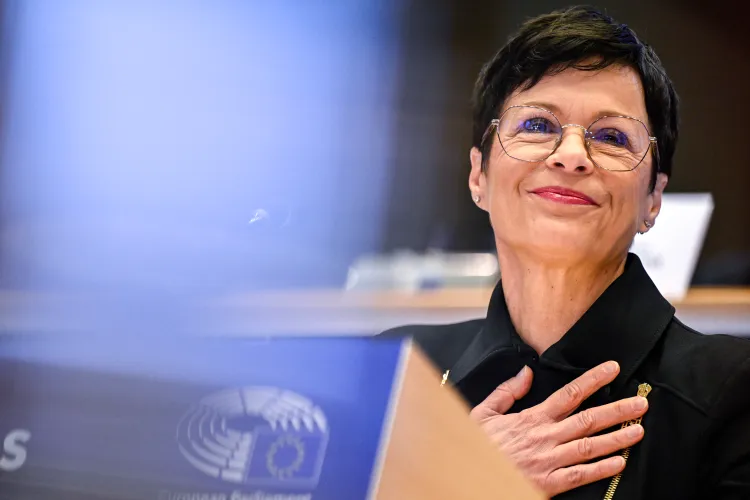
Avtorica: Nina Anžič To vprašanje je morda provokativno, a vendar ključno, če želimo, da države Zahodnega Balkana sploh kdaj postanejo članice Evropske unije. Za začetek bom izpostavila dejstvo, da je Marta Kos komisarka, pristojna za širitev v Evropski komisiji pod vodstvom Ursule von der Leyen v mandatu 2024–2029. Komisarska kandidatka za širitev Marta Kos na potrditvenem zaslišanju v Evropskem parlamentu (7. november 2024). Vir: newunionpost.eu Komisarka Kos je bila rojena še v času Jugoslavije, kar pomeni, da zelo dobro razume mentaliteto, kulturo in ne nazadnje tudi jezik med nekoč bratskimi državami. Dejstvo je, da je Slovenija leta 1991 – takrat še Socialistična republika Slovenija – prva zapustila Jugoslavijo. Sledila nam je Hrvaška in takrat se je začela krvava vojna na področju nekoč bratskih republik. Slovenija je takrat s štirinajstdnevno vojno za samostojno državo odnesla najbolje, če to sploh lahko merimo v tistem krvavem času med nekoč bratskimi narodi v bivši socialistični federativni Jugoslaviji. Slovenija je prva postala članica Evropske unije leta 2004, Hrvaška pa ji je sledila leta 2013. Vendar pa se je Slovenija ves čas, ne glede na levo ali desno vlado, v svoji zunanji politiki krčevito zavzemala za stabilen Zahodni Balkan in članstvo teh držav v Evropski uniji. Vendar, kje se je zalomilo pri državah, kot so Srbija, Bosna in Hercegovina ter Severna Makedonija? Zadnja država, ki sem jo omenila, si je uradnemu imenu celo dodala besedo "Severna", pa to še kar ni dovolj za članstvo v Evropski uniji? Srbija ter Bosna in Hercegovina se s svojim procesom približevanja še kar ne premakneta z rdeče luči na semaforju evrointegracij. Obe državi bosta morali nujno spremeniti stanje demokracije, svobode govora, vladavine prava in predvsem stopnjo korupcije.A vendar v Srbiji vidimo prihodnost v študentih, ki se ne dajo in ostajajo v blokadi z jasnimi zahtevami do oblasti. Zakaj ta ista politika ni sposobna prisluhniti svojemu največjemu potencialu, ki ga ima v državi? Če v Srbiji mladi sploh še dajejo upanje po spremembah, pa tega žal ne vidimo v Bosni in Hercegovini. Ali so v Bosni in Hercegovini že vsi mladi upi te države odšli v tujino in postali diaspora, ki se vrača domov le še ob praznikih? A vendar, vrnimo se nazaj na pot Evropske unije in komisarke Kos. Slednja je na svojem uradnem obisku srečala tako oblast kot tudi študente v blokadi. Torej EU jasno vidi prizadevanja mladih v Srbiji, v to sploh ne dvomim. Aktivni so tudi evropski poslanci – pri tem lahko zopet izpostavim slovensko poslanko Ireno Jovevo, pa tudi hrvaškega evropskega poslanca Gordana Bosanca. Prav tako države Zahodnega Balkana že danes aktivno sodelujejo v mehanizmu EU na področju civilne zaščite. Ko smo imeli v Sloveniji najhujše poplave v zgodovini samostojne države, so nam prav vse države Zahodnega Balkana takoj priskočile na pomoč. Ob tem se človek vpraša: ali je sodelovanje pri reševanju življenj in premoženja edina stična točka držav nekdanje Jugoslavije in Evropske unije?Če te priložnosti ne izkoristimo, bo mandat Marte Kos izgubljen mandat – predvsem za prej omenjene države Zahodnega Balkana. Močno namreč dvomim, da bo na to funkcijo še kdaj imenovan Slovenec ali Slovenka; nekdo, ki to regijo dejansko pozna in jo razume mogoče celo bolje kot nacionalna politika teh držav sama. Prav v tem razumevanju se skriva ključ, imenovan komisarka Marta Kos.
Why is Commissioner Kos key to the stability of the Western Balkan countries?
Author: Nina Anžič Članek v slovenskem jeziku je na voljo tukaj. This question may be provocative, but it is crucial if we want the Western Balkan countries to ever become members of the European Union. To begin with, I will highlight the fact that Marta Kos is the Commissioner responsible for Enlargement in the European Commission led by Ursula von der Leyen for the 2024–2029 term. Commissioner-designate for Enlargement Marta Kos at the confirmation hearing in the European Parliament (7 November 2024). Source: newunionpost.eu Commissioner Kos was born during the Yugoslav era, which means she has a deep understanding of the mentality, culture, and, not least, the language shared by the once-brotherly nations. The fact is that in 1991—then still the Socialist Republic of Slovenia—Slovenia was the first to leave Yugoslavia. Croatia followed, and that is when a bloody war began among the once-brotherly republics. Slovenia fared best at the time with its fourteen-day war for an independent state, if one can even measure such a thing during that bloody period among the once-brotherly nations of the former Socialist Federal Yugoslavia. Slovenia was the first to become a member of the European Union in 2004, with Croatia following in 2013. However, regardless of whether the government was left-wing or right-wing, Slovenia has consistently and vigorously advocated in its foreign policy for a stable Western Balkans and the membership of these countries in the European Union. But where did things go wrong for countries like Serbia, Bosnia and Herzegovina, and North Macedonia? The last country I mentioned even added the word “North” to its official name, yet is that still not enough for membership in the European Union? Serbia and Bosnia and Herzegovina, with their ongoing integration processes, still haven’t moved past the red light on the European integration traffic light. Both countries will urgently need to improve the state of democracy, freedom of speech, the rule of law, and, above all, the level of corruption. Yet in Serbia, we see a future in the students who refuse to give up and remain in the blockade with clear demands for the authorities. Why is this same political establishment unable to listen to its greatest potential, which lies within the country? While young people in Serbia still offer hope for change, we unfortunately do not see this in Bosnia and Herzegovina. Have all the young hopes of Bosnia and Herzegovina already left the country to become part of a diaspora that returns home only on holidays? Yet, let us return to the path of the European Union and Commissioner Kos. During her official visit, she met with both the authorities and the students at the blockade. So the EU clearly sees the efforts of young people in Serbia; I have no doubt about that at all. Members of the European Parliament are also active—here I can again highlight Slovenian MEP Irena Joveva, as well as Croatian MEP Gordan Bosanac. Likewise, the countries of the Western Balkans are already actively participating in the EU’s civil protection mechanism. When we experienced the worst floods in the history of independent Slovenia, every single country in the Western Balkans immediately came to our aid. This raises the question: is cooperation in saving lives and property the only common ground between the countries of the former Yugoslavia and the European Union? If we do not seize this opportunity, Marta Kos’s term will be a wasted one—especially for the aforementioned Western Balkan countries. I seriously doubt that a Slovenian—someone who actually knows and understands this region, perhaps even better than the national policies of these countries themselves—will ever be appointed to this position again. It is precisely in this understanding that the key lies: Commissioner Marta Kos.